
Choosing living room furniture in 2026 is no longer just about filling a space—it’s about shaping how you live every day. With homes now serving as workspaces, entertainment hubs, and relaxation zones, the demand for smart, adaptable, and stylish home goods has grown rapidly.
If you’ve been searching for ways to make your living room feel more modern, functional, and visually cohesive, you’re in the right place. This guide breaks down exactly how to choose furniture that elevates your space, avoids costly mistakes, and reflects current interior design trends without overwhelming your budget or layout.
Understanding What “Good Living Room Furniture” Means in 2026
Function Comes First, Style Comes Second
One of the biggest shifts in home design is the move toward functional minimalism. People are no longer choosing furniture based only on looks—they want pieces that solve problems.
Modern living room furniture should ideally:
- Adapt to multiple uses (work, relaxation, hosting)
- Maximize limited space
- Offer storage or modular flexibility
- It is easy to maintain
For example, a sofa is no longer just seating—it may include storage compartments, convert into a bed, or reconfigure into multiple seating arrangements.
The Rise of Hybrid Living Spaces
Search trends show a continued rise in queries like “small living room ideas” and “multi-functional furniture for apartments.” This reflects a global shift toward hybrid living, especially in urban environments where space is limited but lifestyle demands are high.
Step 1: Start with Your Space, Not the Furniture
Measure Before You Imagine
Before choosing any piece of living room furniture, you need a clear understanding of your room’s dimensions.
Key measurements to take:
- Wall-to-wall length and width
- Ceiling height (important for shelving and vertical storage)
- Window and door placements
- Walking clearance paths
A common design mistake is overcrowding. Interior experts recommend leaving at least 30–36 inches of walking space between large furniture pieces to maintain flow.
Step 2: Define Your Living Room’s Primary Function
Not Every Living Room Serves the Same Purpose
Your furniture choices should depend on how you actually use your space.
Ask yourself:
- Is this room mainly for entertaining guests?
- Do I work from this space daily?
- Is it a family-heavy, high-traffic area?
- Do I need flexible sleeping arrangements for guests?
Each answer leads to a different furniture strategy. For example:
- Entertainment-focused rooms prioritize seating capacity
- Work-friendly spaces need ergonomic chairs and tables
- Family spaces require durable, stain-resistant materials
Step 3: Choose an Anchor Piece That Sets the Tone
The Sofa Is Usually the Centerpiece
In most homes, the sofa is the most important piece of living room furniture because it defines both layout and aesthetic direction.
Popular 2026 sofa trends include:
- Modular sectional sofas for flexibility
- Low-profile minimalist sofas for modern interiors
- Deep-seated comfort sofas for relaxation-focused homes
- Neutral tones with textured fabrics for timeless appeal
Once you select your anchor piece, the rest of your furniture should complement its scale, color, and style.
Step 4: Mix Functionality with Smart Home Goods Design
Multi-Use Furniture Is No Longer Optional
Modern home goods design emphasizes efficiency. A single piece should ideally serve more than one function.
Examples of smart furniture choices:
- Coffee tables with built-in storage
- Ottomans that double as seating or tables
- Nesting side tables for flexible layouts
- TV consoles with hidden cable management
This approach not only saves space but also reduces visual clutter, making your living room feel more open and intentional.
Step 5: Build a Balanced Layout, Not Just a Collection of Furniture
Flow Matters More Than Quantity
A well-designed living room is about balance—not filling every corner.
A strong layout includes:
- A clear focal point (TV, window view, or art wall)
- Symmetry or intentional asymmetry
- Defined zones for different activities
- Proper spacing between furniture pieces
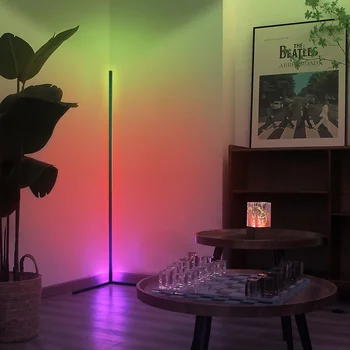
A growing trend in 2026 interior design is “soft zoning,” where rugs and lighting define areas instead of physical walls.
Step 6: Choose Materials That Match Your Real Life
Lifestyle Should Dictate Material Selection
Many people choose furniture based on appearance alone, but durability matters more in the long term.
Material guide:
- Leather: long-lasting, premium, easy to wipe clean
- Performance fabric: ideal for families and pets
- Solid wood: durable and timeless for tables and shelving
- Metal accents: modern and industrial aesthetic
A practical approach is to invest in durable materials for high-use items and use lighter materials for decorative accents.
Step 7: Stay Consistent with a Design Theme
Cohesion Creates Visual Luxury
Even affordable furniture can look high-end when it follows a consistent theme.
Common 2026 design directions:
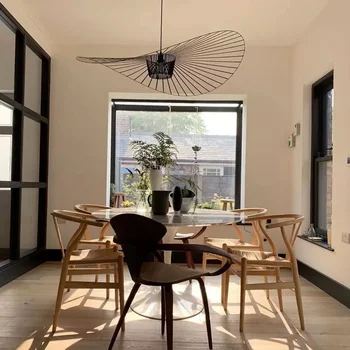
- Scandinavian minimalism (light wood, soft tones)
- Modern industrial (metal + wood contrast)
- Warm contemporary (earth tones, soft textures)
- Japandi style (clean lines, natural materials)
Consistency across your living room furniture and home goods creates a polished, intentional space rather than a mismatched collection.
Choosing the right living room furniture in 2026 is about more than design—it’s about creating a lifestyle that fits how you live today. By focusing on layout first, selecting multifunctional pieces, prioritizing durability, and maintaining visual cohesion, you can transform your living room into a space that feels both modern and deeply personal.
The best home transformations don’t come from buying more—they come from choosing smarter.
If you found this guide helpful, consider sharing it or subscribing for more insights on home goods, interior styling, and practical home improvement strategies.





0 Comments