
Why Wall Art and Mirrors Define Modern Homes
Modern home styling is no longer about filling rooms with furniture alone. Today, the most visually impactful spaces are built through intentional layering of home goods, especially wall art and mirrors. These two elements do more than decorate—they shape perception, influence mood, and determine how “finished” a home feels.
If you’ve ever looked around your space and felt it was missing character, balance, or brightness, the issue is often not the furniture—it’s the walls. This guide will show you how to strategically use wall art and mirrors to elevate your home, create visual harmony, and solve common design challenges without expensive renovations.
You’ll learn practical styling techniques, common mistakes to avoid, and design strategies used by interior professionals to transform ordinary rooms into modern, cohesive living spaces.
Why Wall Art and Mirrors Are Essential Home Goods in Modern Design
The Shift Toward Expressive Interiors
Search trends in home décor show a clear shift: homeowners are prioritizing personalization and atmosphere over minimalist emptiness. Wall art and mirrors have become essential because they deliver instant transformation with minimal effort.
Wall art adds:
- Personality and storytelling
- Emotional tone (calm, energetic, sophisticated, etc.)
- Visual focus in otherwise plain spaces
Mirrors provide:
- Enhanced natural lighting
- A sense of expanded space
- Reflective balance in asymmetrical rooms
Together, they form a foundational pairing in modern interior design—one that blends aesthetics with function.
Understanding the Design Power of Wall Art
How Wall Art Shapes Mood and Identity
Wall art is often the first thing people notice when entering a room. It communicates style instantly—whether that’s minimal, bold, rustic, or contemporary.
In modern homes, popular wall art trends include:
- Abstract neutral palettes for calming interiors
- Large-scale statement pieces for living rooms
- Black-and-white photography for timeless appeal
- Textured or mixed-media art for added depth
The key is not just choosing art you like, but selecting pieces that align with the emotional purpose of the room.
Example:
A bedroom benefits from soft, muted tones that promote relaxation, while a living room can support more dynamic, high-contrast artwork to stimulate conversation and energy.
Placement Principles That Make or Break the Design
Even great artwork can feel off if placed incorrectly. Follow these principles:
- Center artwork at eye level (typically 57–60 inches from the floor)
- Align art with furniture width—never float small pieces above large sofas
- Use grouping intentionally when creating gallery walls
Poor placement is one of the most common mistakes in home styling, often causing visual imbalance even in well-decorated rooms.
The Strategic Role of Mirrors in Modern Home Styling
Why Mirrors Are More Than Decorative Objects
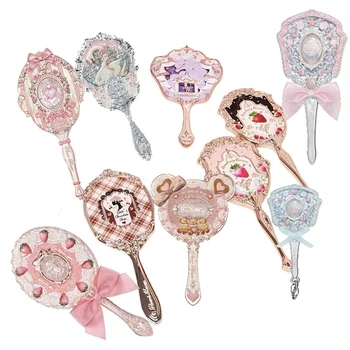
Mirrors are among the most functional home goods because they manipulate space perception. Interior designers frequently use them to solve layout problems without structural changes.
Mirrors can:
- Double perceived light sources
- Visually expand compact rooms
- Balance dark or narrow areas
- Reflect architectural or decorative focal points
This makes them especially valuable in apartments, small homes, and urban spaces.
Where to Place Mirrors for Maximum Impact
Mirror placement should always be intentional. Consider these high-impact locations:
1. Opposite Windows
This reflects natural light back into the room, making spaces feel brighter and more open throughout the day.
2. Narrow Hallways
Vertical mirrors elongate tight spaces, creating the illusion of width and depth.
3. Behind Key Furniture Pieces
Placing mirrors behind consoles or dining tables adds depth and enhances symmetry.
4. Entryways
A well-placed mirror in an entryway creates a welcoming effect while improving functionality.
5 Expert-Level Styling Strategies for Wall Art & Mirrors
1. Build Visual Anchors in Every Room
Every room should have a focal point. Wall art or a mirror can serve as that anchor.
- Use oversized art above sofas or beds
- Place a large mirror in rooms lacking natural light
- Avoid competing focal points that confuse the eye
This creates structure and helps the room feel intentionally designed rather than randomly decorated.
2. Mix Scale for Visual Interest
One of the biggest design mistakes is using uniformly sized décor. Instead:
- Pair large statement pieces with smaller accents
- Combine horizontal art with vertical mirrors
- Use asymmetry for a modern, curated feel
Varying scale adds rhythm and prevents visual monotony.
3. Use Frames as Design Connectors
Frames are often overlooked but are crucial in tying a room together.
- Black frames add modern contrast
- Wood frames introduce warmth and natural texture
- Metallic frames create a refined, upscale aesthetic
Matching frame tones with other home goods (like lighting or furniture accents) creates cohesion across the space.
4. Create Intentional Negative Space
Not every wall needs to be filled. In fact, spacing is what makes styling feel premium.
- Leave breathing room between art pieces
- Avoid overcrowding gallery walls
- Let mirrors reflect uncluttered areas for calmness
Negative space enhances focus and prevents visual fatigue.
5. Layer Lighting with Wall Décor
Lighting dramatically changes how wall art and mirrors are perceived.
- Use wall sconces to highlight artwork
- Position mirrors to reflect warm lighting sources
- Add LED backlighting for a modern gallery effect
Lighting transforms static décor into dynamic design.
Common Mistakes to Avoid in Home Styling
Even well-intentioned decorating can go wrong if these issues are overlooked:
- Hanging artwork too high above furniture
- Using undersized mirrors that feel disconnected
- Mixing too many competing styles in one room
- Ignoring alignment and spacing consistency
Design success often comes down to restraint and precision, not quantity.
Building a Cohesive Home with Intentional Home Goods
Wall art and mirrors are not just decorative additions—they are foundational tools in modern home styling. When used thoughtfully, they improve lighting, define mood, and bring structure to any space.
The key takeaway is simple: your home should feel intentional, not accidental. By applying principles like focal anchoring, scale variation, and strategic placement, you can transform even the simplest rooms into visually balanced, modern interiors.
If you’re exploring ways to elevate your living space further, continue learning about home goods styling systems and experiment gradually. Small, thoughtful changes often create the most powerful transformations



0 Comments